Checker Cup Wrap SVG Retro 16 Oz Libbey Review
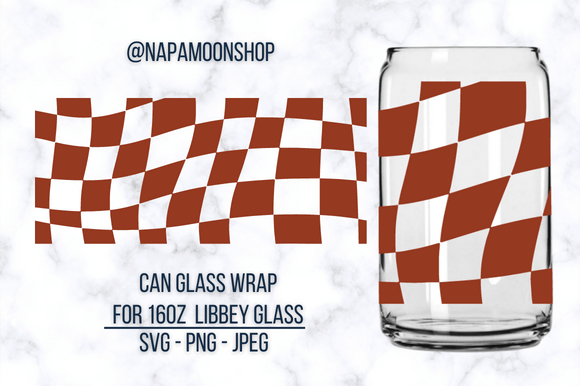
When I first opened the Checker Cup Wrap SVG Retro 16 Oz Libbey file, I immediately felt that nostalgic pull you get from a design that understands retro aesthetics without trying too hard. The checkered pattern has a classic diner energy, the kind that makes you think of vinyl booths, chrome accents, and hand-painted signage. But what really caught my attention was how naturally the layout wraps around the cup shape. The proportions feel balanced, and the checker motif creates a rhythm that draws the eye around the entire surface. For anyone working in Crafts and Graphics, this is the sort of design that sparks ideas before you even finish your first coffee of the morning.
From an embroidery designer's perspective, I started mentally mapping this onto fabric the moment I saw it. The bold geometric nature of the checker pattern translates beautifully into stitch work. You are not dealing with fussy gradients or photorealistic shading here. What you get is a clean, confident repeat that reads clearly from across a room. That clarity is a gift when you are planning finished products for a craft business or an Etsy shop, because customers need to recognize the design instantly in a thumbnail or a market booth display.
The Mood This Design Creates Before You Even Stitch
There is something undeniably cheerful about a checkerboard pattern done right. The Checker Cup Wrap SVG Retro 16 Oz Libbey leans into that warmth without becoming cartoonish. The retro influence gives it a sense of history, like something you would find in a well-loved family kitchen or a carefully curated vintage shop. When I imagine this design stitched onto a product, I see it appealing to buyers who want handmade items that feel both nostalgic and fresh. That emotional pull matters in a crowded market. A design that makes someone smile before they even touch the fabric is a design that sells.
The layout is specifically made for a Libbey glass can shape, but the proportions are flexible enough that I started seeing it on flat surfaces almost immediately. The wrap-around nature means you have a continuous pattern that can work as a border, a focal band, or a full-coverage motif depending on how you crop and position it. That versatility is something I look for when evaluating whether a design asset is worth the investment for multiple projects.
When You Need A Reliable Design For A Client Order
Let me walk you through a real scenario. A customer messages me about a custom embroidered kitchen set. She wants four tea towels, two aprons, and a matching pillow cover for a housewarming gift. The recipient loves retro diner decor and collects vintage glassware. She mentions the Libbey glass style specifically. I need a design that ties the whole set together, looks professional, and stitches cleanly across different fabric types. The Checker Cup Wrap SVG Retro 16 Oz Libbey becomes the anchor for the entire project.
I test the design on a cotton tea towel first. The checkerboard sections digitize into crisp satin and fill stitch combinations. The straight lines stay true, and the corners meet cleanly. On the apron, I scale the design slightly larger and position it across the bib. The bold pattern holds its visual weight against the solid fabric, and the retro vibe pairs perfectly with the apron's utilitarian shape. The pillow cover gets a centered placement, and suddenly the whole set looks like it came from a boutique collection rather than a one-off custom order. That is the kind of cohesion that builds customer trust and earns repeat business.
Where This Design Performs Best In Embroidery
After testing the Checker Cup Wrap SVG Retro 16 Oz Libbey across several materials, I can confidently say it thrives on medium-weight woven fabrics. Cotton canvas tote bags, linen tea towels, denim jackets, and structured aprons all give the stitches a stable foundation. The geometric nature of the design means you get clean registration, and the repeating pattern forgives minor alignment shifts that might ruin a more delicate motif.
Here is where I have seen this design work exceptionally well:
- Custom apparel – Sweatshirts and t-shirts with a retro diner or coffee shop aesthetic benefit enormously from this pattern. Place it as a chest emblem or a sleeve band.
- Tote bags – A checkerboard wrap across the front panel of a canvas tote looks intentional and stylish. It elevates a plain bag into something that feels designed.
- Kitchen textiles – Tea towels, aprons, and pot holders are natural homes for this design. The retro diner association makes sense in a kitchen context, and buyers respond to that thematic consistency.
- Pillow covers – A throw pillow with this pattern becomes an accent piece that works in farmhouse, eclectic, and mid-century modern decor.
- Patches – Scale the design down for an embroidered patch, and you have a small but impactful product that sells well at craft fairs and online.
- Holiday gifts – Pair this design with a personalized name or date, and you have a thoughtful gift that feels custom without requiring excessive production time.
Projects That Need A Little More Patience
I always tell fellow makers that a good design is only as strong as the fabric and preparation behind it. The Checker Cup Wrap SVG Retro 16 Oz Libbey has straight lines and defined edges, which means it demands a stable surface. Here is where I recommend slowing down and testing carefully:
Stretchy fabrics like jersey knit or performance wear can distort the checkerboard pattern if the stabilizer is insufficient. I learned this the hard way on a lightweight hoodie. The design stitched out fine on the first wash, but after a few cycles, the fabric relaxed and the once-crisp squares started to look slightly wavy. A heavier cutaway stabilizer and a topper solved the issue on the next run, but it is worth testing on scrap fabric before committing to a finished product.
Small hoop sizes also require attention. If you are scaling the design down for a baby onesie or a cap, check that the spaces between the checker squares do not close up. Tiny details can become muddled when stitch density increases in a confined area. I recommend running a test stitch at the intended size and inspecting it under good light before moving to the final garment.
Dark fabrics present another consideration. The checkerboard pattern relies on contrast to pop. If you are stitching on black or navy fabric, choose thread colors that stand out sharply. A muted palette might look elegant on screen, but on a dark background it can disappear. Test your thread choices on a swatch of the actual fabric you plan to use.
Curved surfaces like baseball caps need careful hooping and possibly a design adjustment to account for the arc. The wrap-around nature of this design means you might need to split it into sections or adjust the placement to avoid distortion at the seams.
How This Design Affects Your Product Value And Brand
When I evaluate any design asset for my craft business, I ask one question first: does this make my finished product look more expensive or more amateur? The Checker Cup Wrap SVG Retro 16 Oz Libbey lands firmly in the first category. The pattern has a timeless quality that does not scream trend-chasing. It references a design era that people associate with quality craftsmanship and attention to detail. That perception transfers to your handmade products.
A tote bag with this design stitched across the front looks like a $40 boutique item, not a $15 craft fair impulse buy. A set of tea towels with this pattern feels like a curated gift set. The design carries its own visual authority, and when you pair it with solid construction and good materials, the perceived value rises noticeably.
For Etsy sellers and small shop owners, consistency in branding matters. If your shop has a retro, vintage, or nostalgic aesthetic, this design fits seamlessly into your existing product line. It can become a signature pattern that customers recognize across your listings, which builds brand trust and encourages repeat purchases.
Practical Embroidery Notes From The Workroom
Before you load this design onto your machine, here are the steps I follow to ensure a clean result every time:
- Test on scrap fabric first. Always. Even if you have used similar designs before, fabric behaves differently, and a quick test stitch saves you from wasting a blank and frustrating your timeline.
- Check thread color contrast. Hold the thread spools against the fabric under natural light. What looks good on the computer screen might not translate to real materials.
- Review stitch density. If you are digitizing from the SVG file, pay attention to how dense the fill stitches become in the checker squares. Too dense, and the fabric puckers. Too sparse, and the background fabric shows through unevenly.
- Confirm hoop size. The design as provided is formatted for a Libbey glass wrap, but for embroidery, you will need to adjust the dimensions to fit your available hoops. Measure twice.
- Inspect small details. Zoom in on the corners where the checkerboard squares meet. Any misalignment in the digital file will be magnified in thread.
- Test in black and white. Convert a mockup to grayscale to see if the design holds its visual structure without color. A strong design should still be recognizable.
- Compare light and dark backgrounds. The same design can look completely different on white versus charcoal fabric. Run both tests if you plan to offer color options.
- Use proper stabilizer. For woven fabrics, a medium cutaway stabilizer is usually sufficient. For knits, go heavier and consider a water-soluble topper for crisp edges.
- Check licensing before selling. The product description states this file is intended for personal small business use and that you may not resell the digital file itself. That typically means you can use it on finished physical products for sale, but you should confirm the exact terms before listing items in your shop.
Files, Formats, And What You Actually Receive
The download includes SVG, PNG, and JPEG files. The SVG is your working file for digitizing software, allowing you to scale the design without quality loss. The PNG and JPEG formats are useful for creating product mockups, listing photos, and marketing materials. If you sell digital product previews or need to show customers what the finished embroidery will look like before they order, having a clean PNG on hand saves time.
One thing I always recommend: open the SVG file in your digitizing software and check how the paths are constructed. Some designs come with overlapping elements or open paths that need cleanup before they convert cleanly to stitch files. The Checker Cup Wrap SVG Retro 16 Oz Libbey has a straightforward geometric structure, so the cleanup is minimal, but it is still worth inspecting before you start digitizing in earnest.
Who Should Consider Adding This To Their Design Library
This design makes the most sense for embroidery designers who serve customers with retro, vintage, or kitchen-themed tastes. If your shop specializes in custom apparel, handmade kitchen goods, personalized gifts, or boutique home decor, the Checker Cup Wrap SVG Retro 16 Oz Libbey fills a niche that is surprisingly underserved. Checkerboard patterns are everywhere in fashion and home decor right now, but finding one that is proportioned correctly and feels authentic rather than manufactured is harder than it should be.
Small business owners who sell at craft fairs will appreciate how quickly this design stitches out once digitized. The geometric repeat means fewer trims and color changes, which keeps production time manageable. For makers who do live embroidery demonstrations or same-day personalization at events, a design that looks impressive but stitches efficiently is a real asset.
Hobbyists who enjoy making personalized gifts will find this pattern easy to combine with monograms, names, or dates. The checkerboard provides a structured frame that makes added text look intentional and polished.
Final Observations From The Workroom
After working with the Checker Cup Wrap SVG Retro 16 Oz Libbey across multiple projects, I keep coming back to how reliably it delivers a professional finished product. The design does not fight the fabric or the machine. It does not require constant tweaking or troubleshooting. It simply works, and it makes the finished item look like something you would find in a thoughtfully curated shop.
The design is intended for a Libbey glass can wrap, and that original purpose shows in the proportions and the wrap-around layout. But the beauty of a well-constructed SVG is that it adapts. You can use it as a horizontal band, a vertical stripe, a framed panel, or a repeating all-over pattern. The only limit is your willingness to test and experiment.
For crafters, embroidery designers, Etsy sellers, and handmade shop owners, this design offers solid visual impact with minimal fuss. It is the kind of asset that quietly earns its place in your library and ends up on more finished products than you initially expected. And in a craft business, those are the designs that truly pay for themselves over time.