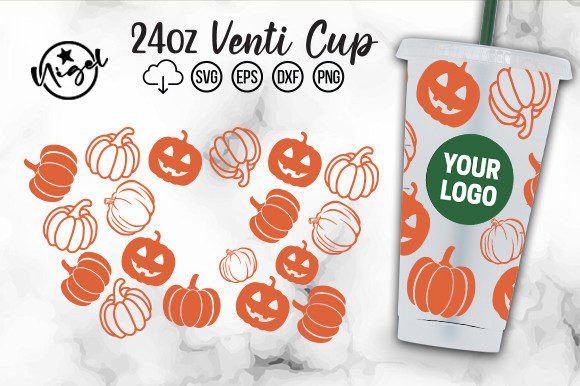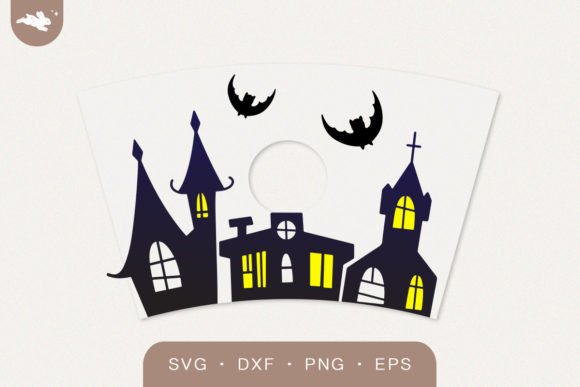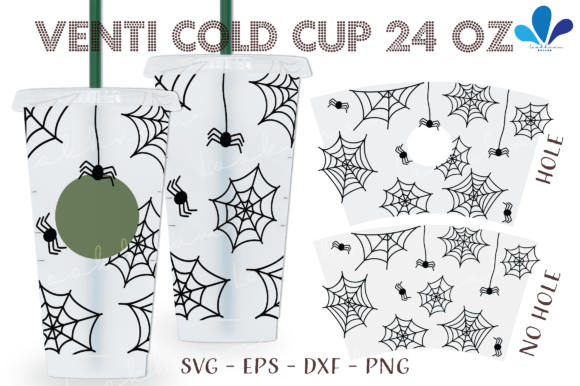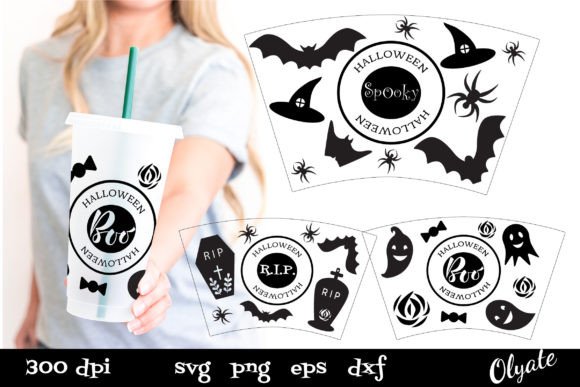
24 OZ Cold Cup Wrap SVG Halloween Design Review
Last October, I was buried in prep for a local maker's market. A friend who runs a small handmade shop asked if I could create a set of custom embroidered kitchen towels with a Halloween theme that felt fresh, not the usual dollar-store clip art. I had a stack of flour sack towels, a spool of charcoal thread, and a pile of digital files to sort through. That's when I pulled up the 24 OZ Cold Cup Wrap SVG. Halloween 24 OZ design. I wasn't expecting a cup wrap template to solve my towel problem, but sometimes the best embroidery projects start with a file that wasn't originally meant for fabric at all.
As a designer who reviews digital assets constantly, I've learned to look past the thumbnail and imagine how a graphic will actually read in thread. The 24 OZ Cold Cup Wrap SVG. Halloween 24 OZ caught my attention because it carries a mood that's playful without being childish, spooky without being gory. That balance is surprisingly hard to find in the Crafts category, where Halloween designs often lean too far into cartoon territory or become overly intricate for clean stitching. This one sits in a sweet spot that makes it genuinely useful for embroidery projects aimed at adults and families alike.
First Impression And Visual Personality
When I opened the zip file containing the Graphics assets, the transparent background PNGs immediately showed me what I was working with. The layout is tall and vertically oriented, designed to wrap a 24 OZ cold cup, which means the composition has a natural cylindrical flow. That tall proportion translates beautifully to embroidery placements like a tea towel border, a sweatshirt sleeve, the front panel of a tote bag, or even a narrow apron bib. The design feels intentional, not stretched or awkwardly cropped.
The Halloween theme comes through in the iconography and silhouette style. I noticed clean lines, defined shapes, and a sense of movement that would translate well into satin stitch and fill stitch combinations. The negative space is managed thoughtfully, which matters enormously when you're converting a digital file into an embroidery file for machine stitching. Too much detail packed into a small area creates muddy results, especially on textured fabrics. This design leaves breathing room for thread to behave properly.
Where This Design Shines In Real Embroidery Projects
After testing a digitized version on scrap cotton, I felt confident moving to a finished product. The 24 OZ Cold Cup Wrap SVG. Halloween 24 OZ really came alive on a natural linen blend tea towel. I used a deep orange thread for the main motifs and a dark charcoal for the accent details. The shapes read clearly from across a room, which is a critical test for any handmade product meant to be displayed or gifted. Here are the project types where I believe this design performs best:
- Tote bag design – The vertical orientation fits a standard canvas tote front panel perfectly. A single placement creates a statement piece that looks boutique-quality.
- Kitchen towel and tea towel sets – Seasonal kitchen linens are a craft fair staple. This design gives them a polished, modern look that customers gravitate toward.
- Apron embellishment – Placed on the bib of a full apron or the waistband of a half apron, the wrap-style layout feels intentional and balanced.
- Sweatshirt embroidery – On a crewneck sweatshirt, positioned off-center or along the sleeve, the design adds a subtle Halloween nod without screaming costume.
- Pillow cover accents – A rectangular throw pillow cover with this design stitched near the edge creates sophisticated holiday decor for a sofa or entryway bench.
- Custom apparel for boutique shops – Small clothing brands looking for limited-run Halloween pieces will find this design adaptable and easy to brand alongside their existing aesthetic.
A Real Project Scenario: The Halloween Market Tote
Let me walk you through a specific project where the 24 OZ Cold Cup Wrap SVG. Halloween 24 OZ earned its keep. I was preparing a batch of ten canvas tote bags for a local pop-up. Each bag needed a design that felt special enough to justify a handmade price tag, but simple enough that I could stitch ten units without losing my mind. I digitized the design with a combination of running stitch outlines and strategic fill stitch areas, keeping the stitch density moderate to avoid puckering on the midweight canvas.
I used a 5x7 hoop, which accommodated the tall layout comfortably after rotating the design slightly. The thread colors were straightforward: pumpkin orange, off-white, and a touch of metallic gold for the accent elements. Each bag stitched out in about 18 minutes, which is efficient for a commercial embroidery project. The finished totes looked cohesive as a collection, and customers at the market responded to the design's clean, graphic quality. Several asked if I had matching kitchen towels. That's always a good sign—when a design makes people want to build a whole set around it, you've found something worth keeping in your rotation.
Where Caution Is Needed
Not every embroidery surface is a good match for this type of layout. The 24 OZ Cold Cup Wrap SVG. Halloween 24 OZ has a tall, narrow proportion that demands careful placement. Here are the situations where you should pause and test before committing to a full production run:
- Small hoop sizes – If your machine maxes out at a 4x4 hoop, you may need to scale the design down significantly. Check whether the fine details remain legible at a reduced size before stitching on a final product.
- Stretchy fabrics – T-shirts and performance wear can distort the vertical lines if you don't use the right stabilizer. A cutaway stabilizer is your friend here, and a basting spray helps keep the fabric from shifting.
- Dark fabric backgrounds – The design relies on silhouette contrast. On black or navy fabric, some of the spooky details may disappear. Always test on a scrap of the actual fabric you plan to use, and consider whether a lighter thread palette or a subtle outline adjustment would help.
- Curved surfaces like caps – The tall wrap layout isn't naturally suited to the curved front panel of a baseball cap. You could adapt it with careful placement, but it's not a straightforward application. Patches are a better vehicle if you want this design on headwear.
- Thin or delicate fabrics – Lightweight cotton, sheer curtains, or baby onesies require a softer touch. Reduce the stitch density and choose a lightweight tear-away stabilizer to avoid stiff, uncomfortable results.
How The Design Affects Perceived Product Value
When you're selling handmade product lines or running an Etsy seller shop, the design you choose directly impacts how customers perceive your work. A design that looks generic or poorly placed can make even the most carefully sewn item feel cheap. The 24 OZ Cold Cup Wrap SVG. Halloween 24 OZ has a graphic, intentional quality that elevates whatever you put it on. It reads as designed by someone who understands proportion and negative space, not just thrown together for a seasonal quick-sale.
This matters for craft business owners building a brand. When a customer buys a personalized gift or a holiday embroidery piece from your shop, they're judging whether it feels worth the price. A design that stitches cleanly, reads clearly, and looks professionally composed builds trust. It also increases the likelihood of repeat purchases and word-of-mouth referrals. I've seen this firsthand: products featuring well-chosen designs consistently outsell those with busier, less considered graphics.
Practical Designer Notes For A Smooth Workflow
Before you load this design onto your machine and start stitching customer orders, here are the steps I recommend taking. These are habits I've developed over years of embroidery work, and they've saved me from ruined blanks and missed deadlines more times than I can count:
- Test on scrap fabric first. Run a full stitch-out on the same fabric type and color you plan to use for the final product. Check for puckering, thread breaks, and detail clarity.
- Check thread color contrast. Review the design in grayscale or a black and white mockup. If the values blend together, the stitched result will look flat. Adjust thread colors accordingly.
- Review stitch density. If you're digitizing the file yourself, pay attention to how dense the fill areas are. Overly dense stitching creates a stiff, uncomfortable patch that customers won't enjoy on apparel.
- Confirm hoop size compatibility. Measure the design's dimensions in your embroidery software and verify it fits your available hoops with adequate clearance.
- Inspect small details. Zoom in on any tiny elements. If they're smaller than 1-2mm at stitch size, they may not render cleanly. Simplify or enlarge as needed.
- Test on light and dark backgrounds. The same design can look dramatically different on a natural linen versus a black hoodie. Run comparison tests to decide which colorways work best for your product line.
- Use proper stabilizer. Match your stabilizer to the fabric weight and stretch. For the vertical orientation of this design, a stable foundation is non-negotiable.
- Confirm licensing for commercial use. The product description states this is a digital file without physical accessories, and you receive multiple formats in the zip. Before selling finished items or digital embroidery file derivatives, verify the license terms with the original creator. This protects your business and respects the designer's work.
Beyond Embroidery: Other Craft Applications
While my focus is always on machine embroidery, I should mention that the 24 OZ Cold Cup Wrap SVG. Halloween 24 OZ file set includes multiple vector formats and transparent PNGs. This makes the design useful for printable mockup creation, vinyl cutting for cup wraps as originally intended, sublimation projects, and other design assets work. For a small shop product owner who diversifies their offerings, having one file that can serve embroidery, vinyl, and paper crafts is efficient and cost-effective. The high quality of the graphics is evident across all formats, which speaks to the care taken in creating the original artwork.
What This Design Means For Your Holiday Product Line
Seasonal products have a limited sales window, so the designs you choose need to work hard. The 24 OZ Cold Cup Wrap SVG. Halloween 24 OZ brings a sophistication that extends the appeal beyond October. Customers who buy a Halloween-themed kitchen towel in early fall often keep it displayed through Thanksgiving if the design is tasteful rather than cartoonish. This design has that staying power. It's festive without being disposable, and that quality translates directly into higher customer satisfaction and better reviews for your shop.
For creative entrepreneurs and apparel decorators building a cohesive seasonal collection, this design pairs well with coordinating pieces. Imagine a set that includes a matching tote bag, a tea towel, and a pillow cover, all featuring the same graphic motif. That kind of curated presentation is what separates a hobbyist table from a professional craft business booth at a market. Buyers notice cohesion, and they're willing to pay more for it.
Final Thoughts From The Embroidery Bench
After spending real time with the 24 OZ Cold Cup Wrap SVG. Halloween 24 OZ—testing it on different fabrics, adjusting thread palettes, and placing it on various products—I can say it's a design that earns its place in a working embroidery studio. It's not a file you'll use once and forget about. The clean lines, balanced composition, and versatile proportions make it suitable for a range of embroidery project types, from quick holiday gifts to full boutique product lines. The fact that it comes with multiple file formats and a transparent background only adds to its practical value for crafters who work across different mediums.
If you're looking for a Halloween design that feels current, stitches cleanly, and appeals to a broad customer base, this one is worth adding to your library. Just remember to run your tests, check your stabilizer, and confirm your licensing before you start selling the finished product. A little preparation on the front end makes all the difference when your embroidery machine is humming through a stack of orders and every stitch counts.